SOCIAL LEARNING
What Is Social Learning?
Social learning is the process of understanding how our thoughts, actions, and communication affect the people around us.
These skills influence far more than friendships. They impact academic performance, workplace success, family relationships, emotional regulation, and everyday decision-making.
For some individuals, social understanding develops naturally. Others benefit from direct instruction, guided practice, and structured support.
Social Communication Skills
Effective communication requires more than speaking clearly.
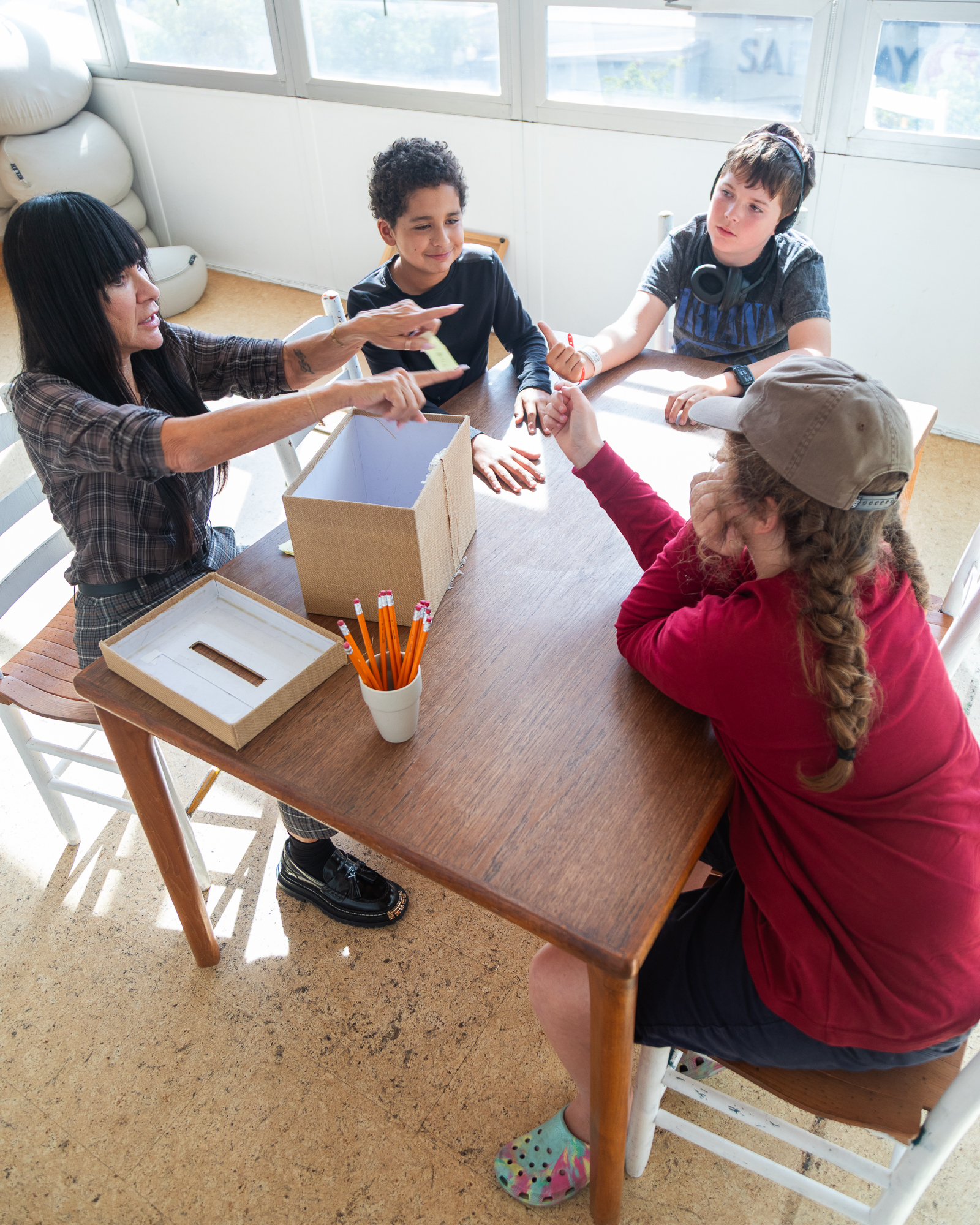
Participants learn how to:
- Interpret facial expressions and body language
- Understand tone of voice
- Read social situations
- Identify hidden social expectations
- Respond appropriately in different settings
These skills help individuals build stronger relationships and avoid common social misunderstandings.
Perspective Taking
Successful social interactions depend on understanding that other people have thoughts, feelings, intentions, and experiences that may differ from our own.
Developing perspective-taking skills helps participants:
- Improve empathy
- Strengthen friendships
- Resolve conflicts
- Work collaboratively
- Navigate social situations more effectively
Executive Functioning and Social Success
Executive functioning skills play a major role in social and academic development.
These include:
- Planning
- Organization
- Time management
- Flexibility
- Self-monitoring
- Problem-solving
By strengthening these skills, participants become more independent and better prepared to manage daily responsibilities.

Building Confidence Through Experience
Confidence develops through successful practice.
Our programs provide opportunities to apply social learning concepts in meaningful situations, helping participants develop greater independence, resilience, and self-confidence.
Lifelong Social Growth
Social learning continues throughout life. Whether navigating elementary school, high school, college, employment, or adult relationships, strong social understanding creates opportunities for success.
At Think Social East Bay, we help individuals develop the practical skills needed to connect with others, build relationships, and participate more confidently in the world around them.